The Huaqua of Humor
By Sharon Oliver
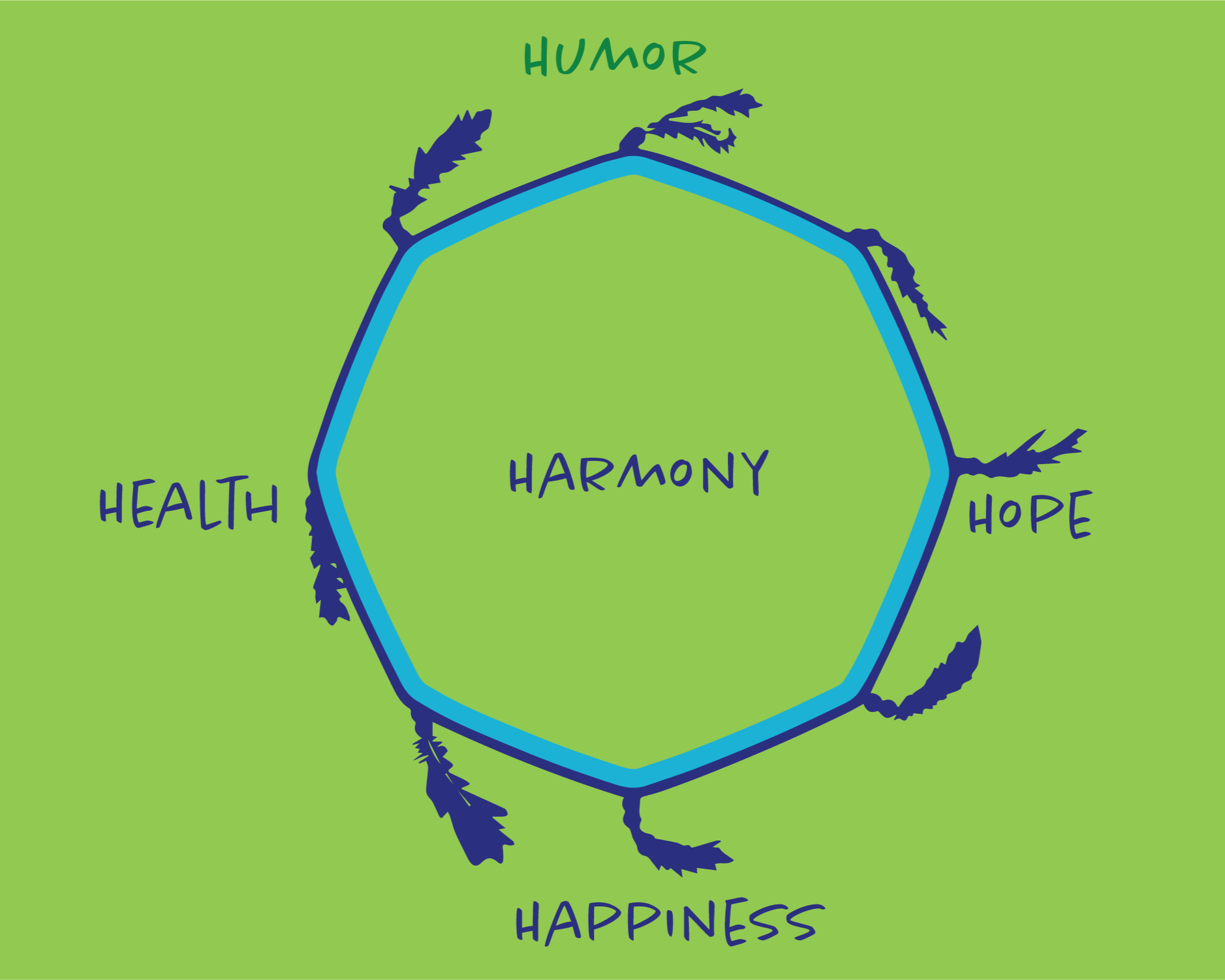
Humor: The North Huaqua

Humor began when it was believed that a person's health and character were determined by the balance of four fluids in the body – blood (Sanguine – overly confidant and cheerful), phlegm (Phlegmatic – apathetic and sluggish), yellow bile (Choleric – fiery and hot-tempered), and black bile (Melancholic – gloomy and depressed). It evolved to mean "disposition or temperament,” and now includes the ability to notice and express the funny, ludicrous, comical, and absurd without bitterness. As a huaqua, humor releases tension causing amusement and laughter and leads to a balance in your emotional, physical, mental, spiritual and catalytic aspects.
Emotional Humor happens when people experience an open-hearted laugh over something that is overstated, obvious or just plain stupid!
Comedians often use the tactic of telling a story that creates dramatic tension which increases as the narrative progresses. But the punch line points out the ludicrous and deflates drama. The tension suddenly becomes senseless and people explode in laughter.
Emotions when balanced lead to clear communication and enjoyment. People can laugh together over the ridiculous and then relax. It helps us heal past hurts and laugh at circumstances we created in our childhood.
Physical Humor includes slapstick comedy, practical jokes, parody and almost any kind of humor that has associated physical actions.
Playful behavior in young animals and children is an unintentional parody of adult behavior. Mock battles are fun when no one is hurt. Studies show that a baby laughs when tickled by its mother and cries when by a stranger. They will laugh only when tension is relieved and found to be harmless.
When we are being physically playful, our bodies relax. Physical humor keeps us present in the here and now, not in the past; we learn what is possible and what is not; what is dangerous and what is safe.
Mental Humor includes irony, puns and wit. These forms of humor can increase our receptivity to change by poking fun at serious concepts. Memory is important here: it allows us to re-examine old beliefs and retire them. The key to delivering mental humor is humility. The well-turned phrase, the play of sound on words, its arrangement and timing are all important.
Mental humor helps people lighten up. Witty people never take themselves too seriously. When we laugh together, we can communicate even in difficult moments.
Spiritual Humor is the place of the non sequitur and satire, and includes the absurd and surreal. Spiritual humor is not always easily understood. Any example of this humor will elicit a “huh?” from most of us, but to those who can actually follow the thread of absurdity, spiritual humor can be the funniest of all.
Satire points out the ridiculousness of a person, institution, or society. It exaggerates those features so we recognize the familiar as absurd and absurdity in the familiar. When you’re able to see that, you can laugh at your mistakes and those of your teachers without judgement or cruelty.
Spiritual Humor makes sure we don’t take ourselves, or our path, too seriously; just serious enough to grow into our potential.

Catalyst Humor has a very different tone. It includes indulgence and can teach patience and tolerance. It encourages you to confront truth and defeat those unproductive patterns that keep you stuck in foolishness, neglect, harshness and cruelty. Humor me here …
When Jesus said “suffer the little children come to me …” (Matthew 19:14) he meant “to tolerate”, express love, patience, and unconditional acceptance. Children push our buttons – we are the ones that suffer under them. They also represent hope and spiritual openness. Catalyst humor calls us to nurture, defend, and provide for the gullible and clumsy even when they trigger you.
On the lighter side, catalyst humor also is our ability to laugh at ourselves, and each other, unconditionally. It can be unexpected, absurd, uncalled for, forbidden, unimaginably stupid, or blasphemous, but always catalyzes movement. It helps you laugh at yourself not only when you recognize a mistake but when others are also laughing at you. In the moment it may be incredibly uncomfortable, but it’s the sort of thing that lives on in legend, becoming increasingly funny as time goes on. To align with catalyst humor, you must learn to laugh at yourself.
Humor is a state of mind and an important mental discipline. In order to be completely receptive to the fullness that life has to offer, align with the huaqua of humor.
Borrowed heavily from:
https://dictionary.cambridge.org/dictionary/english/humor
https://www.britannica.com/topic/humor
Oxford Languages: https://languages.oup.com/
The Trickster Humor Wheel – A tongue-in-cheek teaching, Deer Tracks, vol. XII, no. 3, December 2003, pgs. 12-13
The Pathfinder – What is Your Humor Quotient, Deer Tracks, vol. XII, no. 3, December 2003, pgs. 14-15
Bible Analysis: What is the meaning of “suffer the little children” in the Bible? Anurag Rao, May 08, 2025 https://www.bibleanalysis.org/what-is-the-meaning-of-suffer-the-little-children-in-the-bible-2/
October 3 Community Purification Lodge
Community – n. 1. “a unified body of individuals”, 2. “ a state or feeling of caring about and wanting to interact with others in a group.”
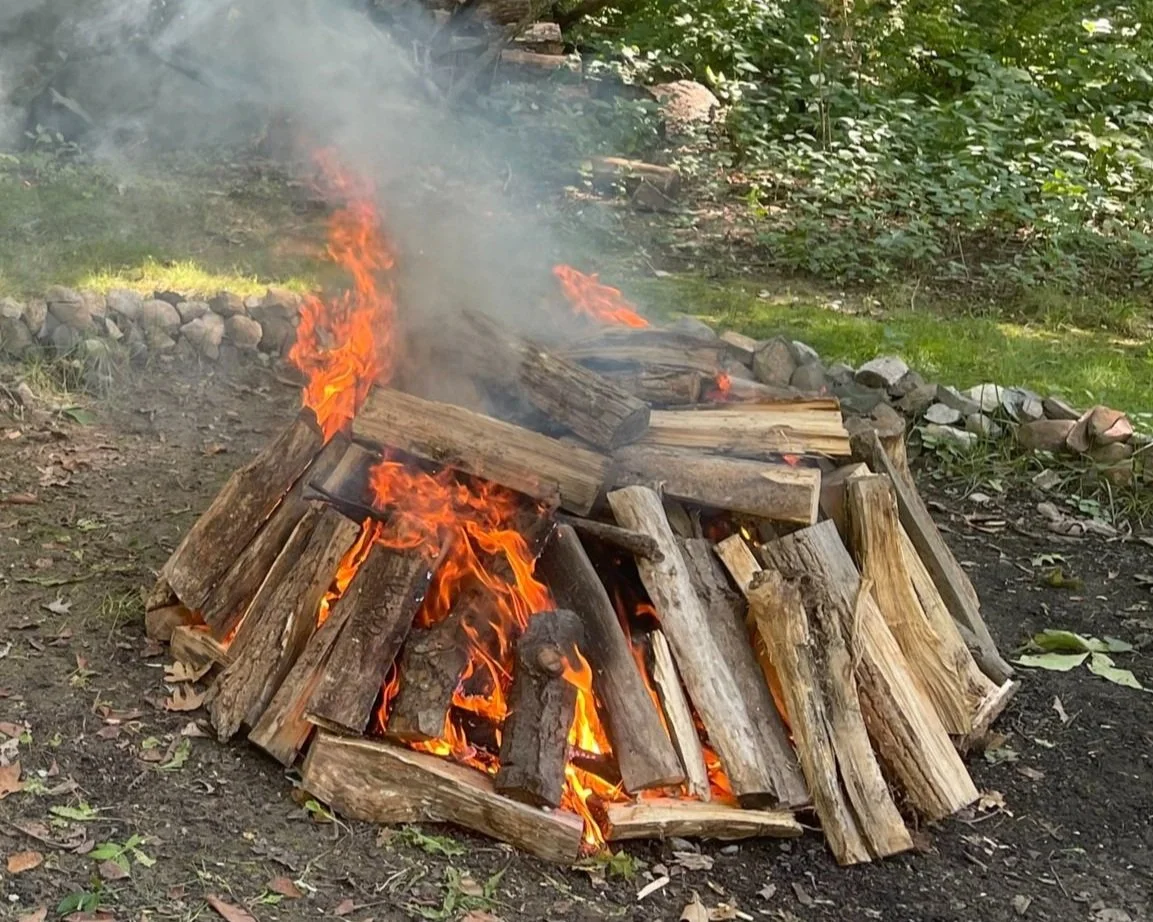
What does it mean to “build community”? In today’s world where more and more isolation and polarization is encouraged, how do we come together despite our differences?
We are hosting a purification lodge ceremony to examine and pray about exactly this! Wanna join us?
Sat, October 3rd at 10:00am (if this is your first purification lodge with us - 11:00 am if you are not new to this ceremony) outside Holly, Michigan.
This event is open to everyone and people who have never been in purification lodges are our guests of honor!!🥰
Please share this invitation with friends and family you think would benefit from the experience. If you have any questions or would like to know more about ourShamanic Purification Lodges, please contact Clark below…
It is important to be on time, especially if you are a newcomer. Know that you will be welcomed into the community and cared for once you arrive.
We look forward to being in ceremony with you!
RSVP: Clark Singing Sword Reflects Fire and the specific directions to the venue in Holly, Michigan will provided.
Upcoming Events:
Sept 2 Shamanism for the Fifth World - Session 6
Sept 6 Earth Walkers Study Group Meeting
Sept 6 Drum Team Practice
Sept 9 Heart of the Warrior Study Lodge Meeting
Sept 20 Earth Walkers Study Group Meeting
Sept 20 Drum Team Practice
Oct 3 Community Purification Lodge
Oct 7 Shamanism for the Fifth World - Session 7
Oct 17 Hearth of the Warrior Study Lodge Meeting
Oct 18 Earth Walkers Study Group Meeting
Oct 18 Drum Team Practice
Oct 24 Autumn Olive Removal Party